SANTA FE, N.M. — NEA-New Mexico President Bethany Jarrell is calling for clear boundaries on the use of surveillance technology in New Mexico public schools, including automated license plate readers on school property and the unnecessary audio and video recording of educators and education support professionals.
“Every student and educator deserves to feel safe at school, but safety should not come at the expense of privacy and trust,” said Jarrell. “There is a difference between reasonable security measures and creating an environment where students, families and educators feel they are constantly being tracked, watched or recorded.”
NEA-New Mexico recognizes that appropriately placed video-only security cameras can serve an important safety purpose. Cameras monitoring entrances, parking areas and school grounds can help protect students and employees. But surveillance should have a clear purpose and clear limits.
NEA-New Mexico opposes the placement of automated license plate readers on public school property. These systems can collect license plate information and create records of when and where vehicles are observed — potentially capturing information about educators arriving for work, parents dropping off their children and community members visiting a school.
New Mexico has already recognized the sensitive nature of this information. The 2026 Driver Privacy and Safety Act (SB 40) established protections surrounding automated license plate reader information, including restrictions on how that information may be shared and requirements intended to protect the privacy of New Mexicans.
“Our schools should not become places where the everyday movements of educators, families and community members are unnecessarily collected and tracked,” Jarrell said. “Just because technology gives us the ability to gather more information about people does not mean our public schools should be doing it.”
Educators and Education Support Professionals spend their days building relationships with students, responding to difficult situations, collaborating with colleagues and having conversations that require trust. Turning those environments into spaces of continuous monitoring fundamentally changes the workplace and the school community.
“Our educators and education support professionals are qualified, dedicated professionals who have committed their careers to New Mexico’s students,” Jarrell said. “We cannot say we value and trust them while simultaneously creating workplaces where they feel they are constantly being watched or listened to.”
School safety must always remain a priority, but surveillance should never become a substitute for adequate staffing, meaningful safety planning, strong relationships and trust.
“There is an appropriate place for security cameras, particularly outside our schools where they can address a legitimate safety need,” Jarrell said. “But there has to be a line. Inside our schools, we need to trust the professionals doing this work every day, respect the privacy of our school communities and make sure technology is actually making schools safer — not simply putting more people under surveillance.”
NEA-New Mexico believes any security technology used in public schools should have a clearly defined safety purpose, comply with state and federal law, protect collected information, and be implemented transparently with meaningful input from educators and education support professionals.
“Safe schools are built through people, relationships, resources and trust,” Jarrell said. “New Mexico can protect our students without normalizing constant surveillance. That is the balance our school communities deserve.”
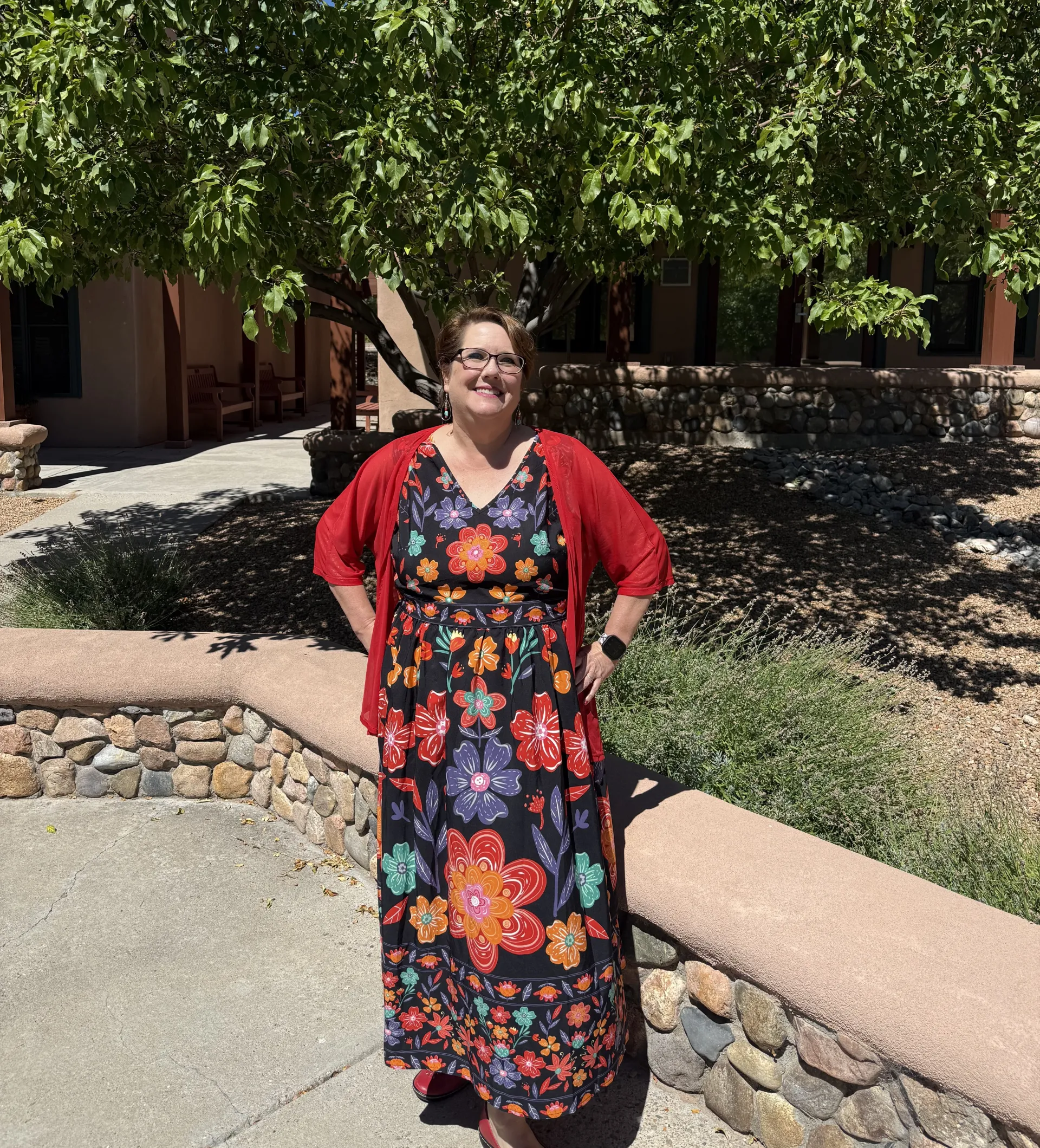
Bethany Jarrell
President, NEA-New Mexico
Media Contact
- Melanie Carmona
- [email protected]